
Image
Urban environments face a silent challenge: the air we breathe and the invisible winds that shape our daily comfort. From the “canyon effect” of narrow streets trapping pollutants to the sudden danger of an accidental toxic gas release, understanding urban airflow is a necessity for public safety and sustainable city planning.
As part of the HiDALGO2 project, the Urban Air Project (UAP) pilot is bridging the gap between theoretical fluid dynamics and real-world city management. At the recent HiDALGO2 Clustering Event held at the High-Performance Computing Centre Stuttgart (HLRS), Zoltan Horvath, Head of the Department of Mathematics & Computational Sciences at the University of Gyor, presented how the pilot creates high-resolution digital replicas of urban airflow.
Watch the full presentation by Zoltán Horváth.
The presentation of Zoltán Horváth is available here. On the UAP pilot dedicated webpage, you can find the video of the short demo session of the UAP application for the city of Stockholm, which was presented to the Stuttgart audience. Keep reading to find out more and how you can individually navigate the platform.
Addressing the Three Pillars of Urban Risk
The UAP pilot applies High-Performance Computing (HPC) to three distinct but interrelated environmental challenges. To solve these, the team uses Computational Fluid Dynamics (CFD)—a branch of physics that uses numerical analysis to analyse how fluids (like air) flow.
- High-Resolution Pollution Estimates: While many cities like Stuttgart track general air quality, the UAP pilot provides "micro-scale" precision. It explains why one side of a street may be significantly more polluted than the other due to building shapes, helping cities validate environmental policies and handle EU directives.
- Accidental Toxic Gas Release: In a crisis of a chemical leak, the pilot aims for "Faster-than-Real-Time" (FTRT) simulations. This means the supercomputer predicts where a toxic cloud will move through specific city geometries, faster than the wind itself travels, giving emergency responders a vital head start.
- Wind Discomfort Near Tall Buildings: Modern architecture often creates unexpected wind tunnels at ground level. By simulating these "invisible hazards" during the design phase, urban planners can prevent wind-related accidents and improve pedestrian comfort. By using historical data—even referencing the famous wind issues around New York’s Flatiron Building—the pilot simulates these "invisible hazards" and helps urban planners prevent wind-related accidents and predict "wind discomfort" before a building is even constructed.
Democratising Supercomputing: The "MathSO" Portal
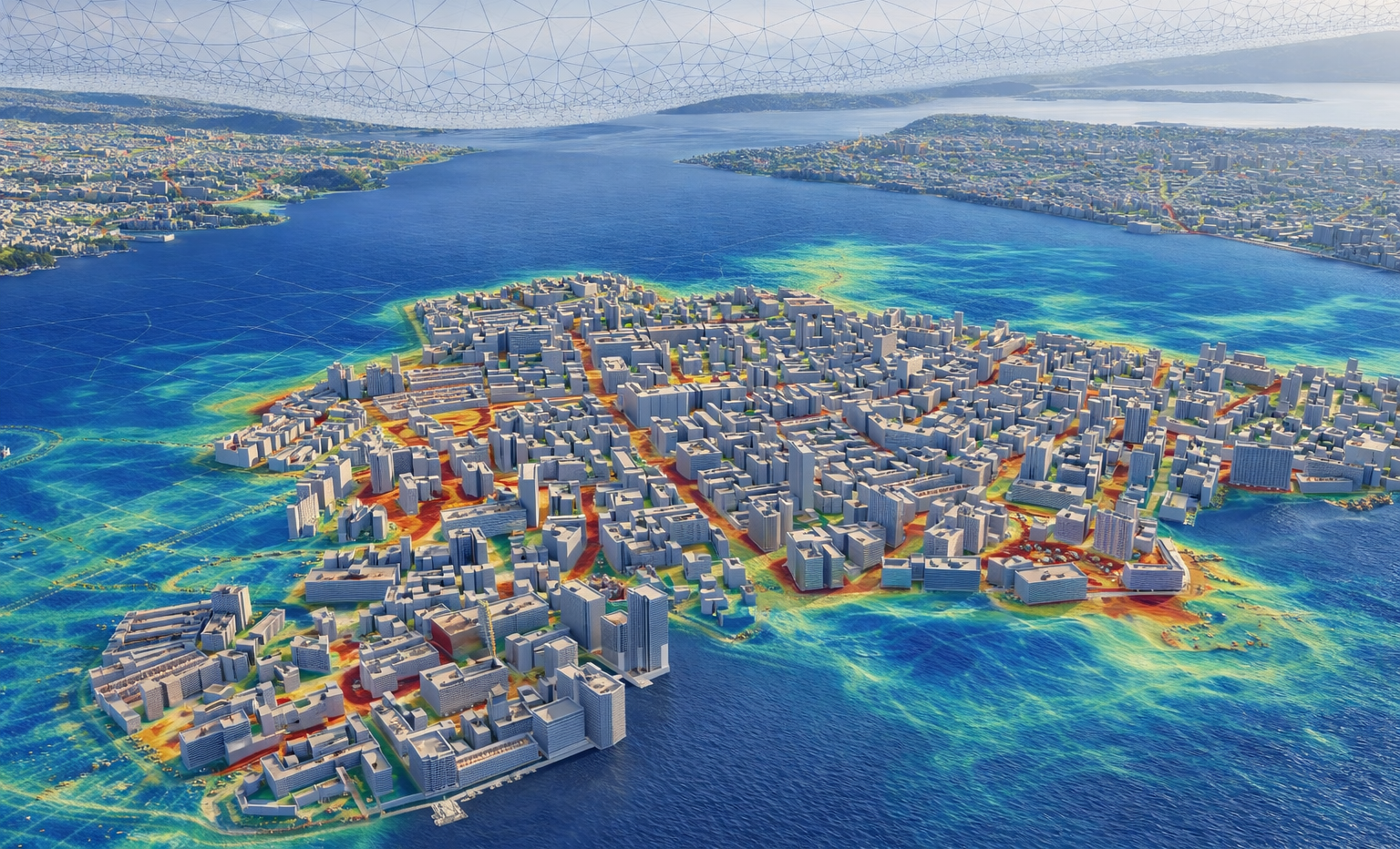
Aerial 3D digital twin rendering of Stockholm city
A core objective of HiDALGO2 is to make HPC accessible to non-experts. Traditionally, running a CFD simulation required deep programming knowledge. The UAP pilot introduces a user-friendly graphical interface (the MathSO portal) designed for architects and city officials. More details and technical information on the HiDALGO2 services and dashboard are available in our public deliverables. (D2.7 and D2.8)
During a demonstration using Stockholm as a case study, the team showed how a user can select a domain from OpenStreetMap and trigger a simulation. The portal automatically handles 3D Meshing, which is the process of breaking a complex city geometry into millions of tiny cells so the supercomputer can calculate the airflow in each one. This is a particularly vital and difficult task in cities like Stockholm, with complex, narrow street networks.
Watch video here
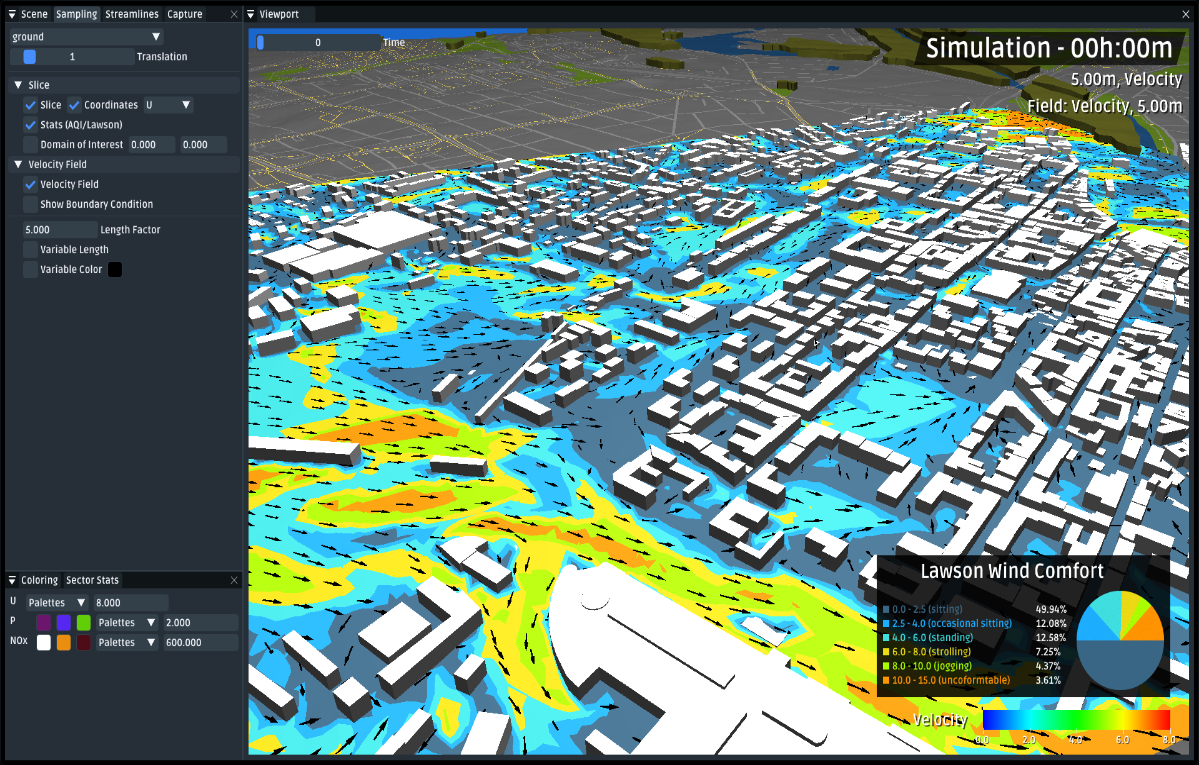
Fig.2. Urban wind comfort simulation for Stockholm
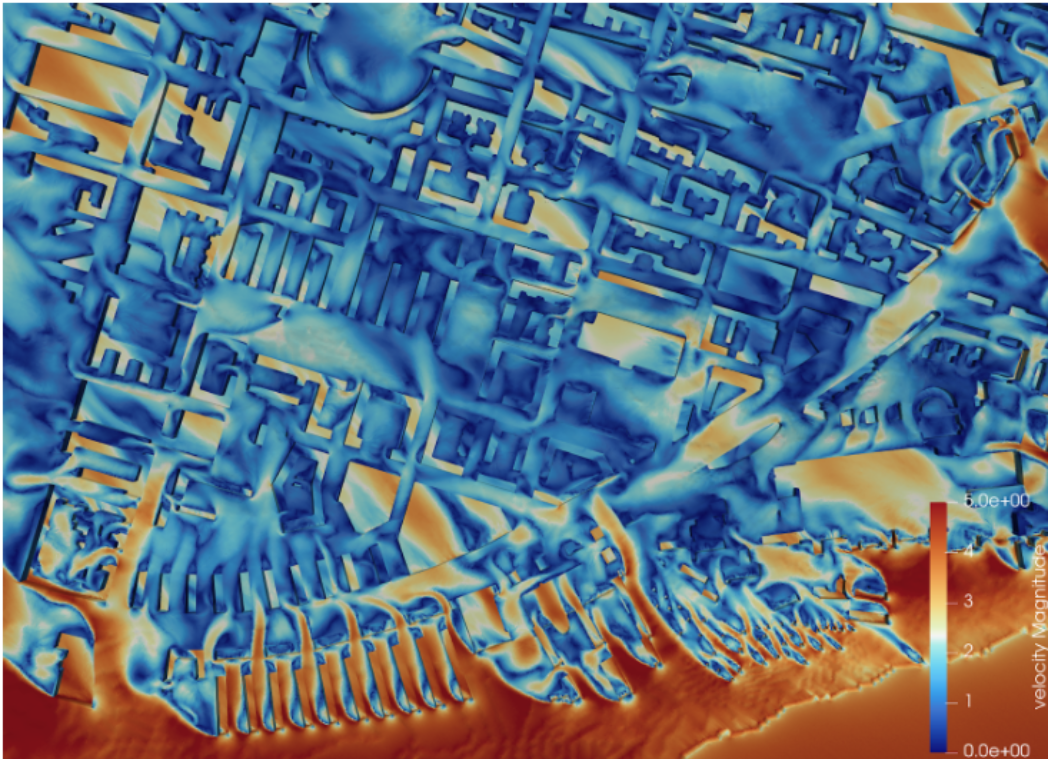
Fig. 3. High-resolution simulation for Stockholm
To achieve the speed required for emergency response (high-resolution results at speeds faster than real-time), the pilot utilises a suite of advanced and scalable "solvers"— the mathematical engines that perform the heavy lifting:
- OpenFOAM: An industry-standard CPU solver, adapted within the project for GPUs to increase speed.
- Red-Sim: A native MPI/GPU code designed for massive scalability, capable of running across hundreds of Graphics Processing Units (GPUs) - such as those on the Komondor supercomputer - with linear efficiency.
- GASp: An advanced version of OpenFOAM featuring automated load balancing, ensuring that no single part of the supercomputer is overwhelmed while others sit idle.
For a deep dive into the technical framework of this pilot, visit our webpage dedicated to the Urban Air Project.
Impact and Strategic Next Steps
The UAP pilot represents a shift from reactive to proactive city management. By providing high-fidelity data to policymakers and industry, HiDALGO2 is setting a new standard for urban resilience. With faster-than-real-time results, the pilot enables immediate responses to environmental hazards and more informed urban planning.
The collaboration with the Stockholm City unit and the Swedish National Competence Center (ENCCS) has already proven the value of this approach. Where local city units were previously limited to small domains and long processing times, the HiDALGO2 framework allows for larger-scale, faster, and more accurate analysis.
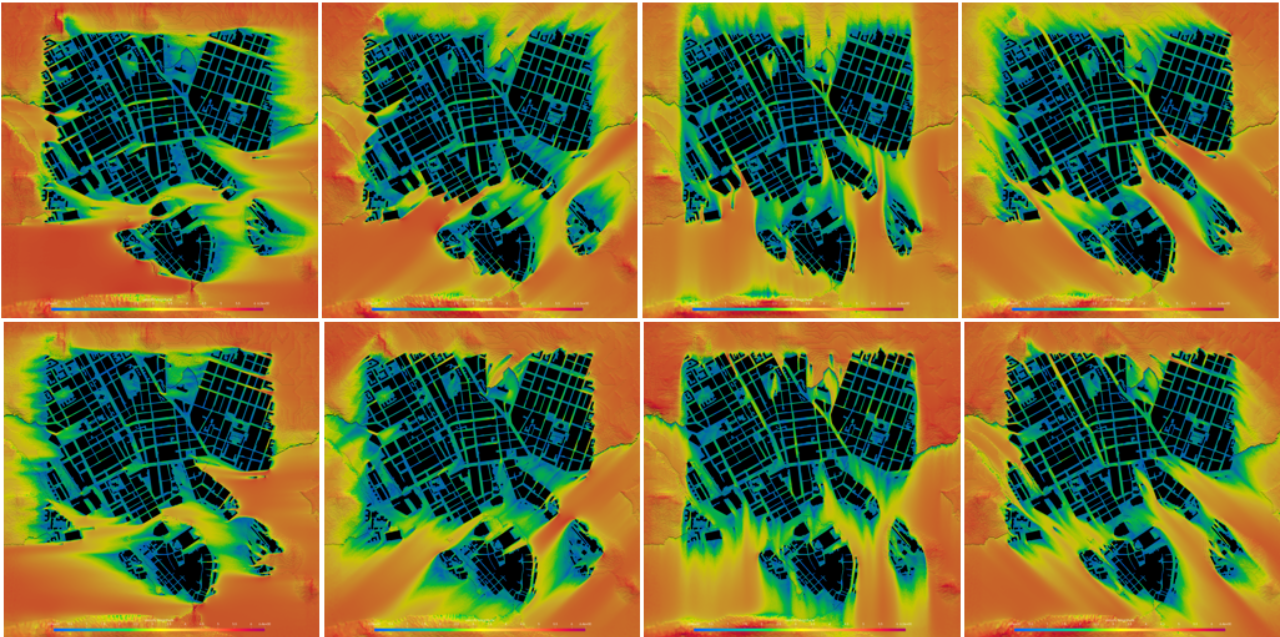
Fig. 4: HiDALGO2 UAP for Stockholm city
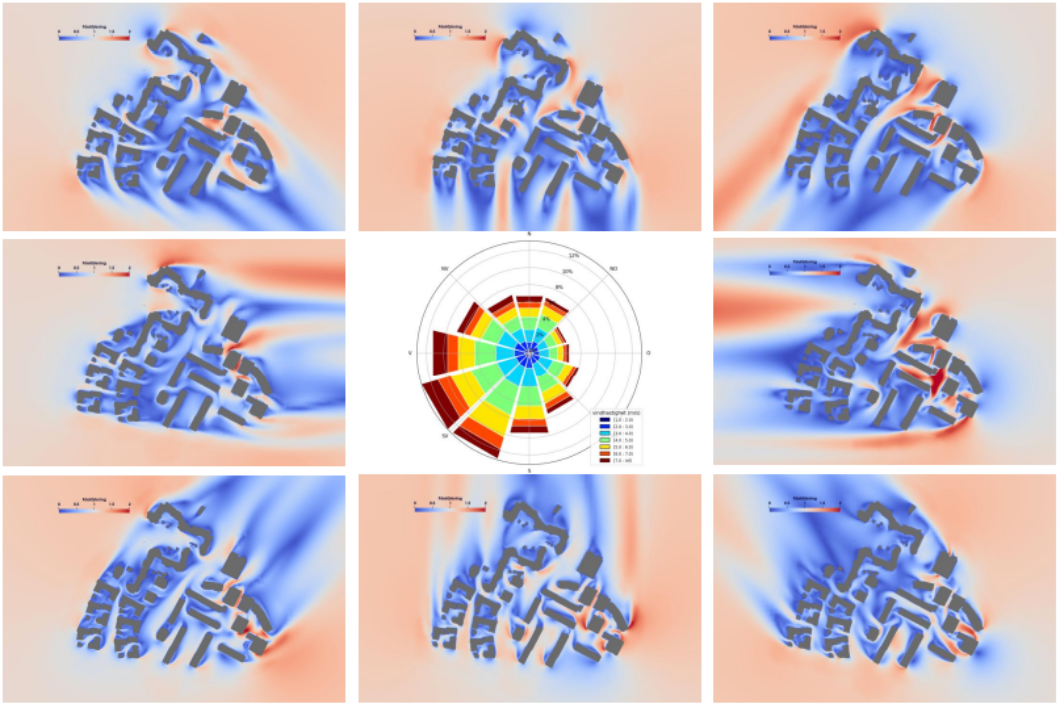
Fig.5: SLB Analys current solution for Stockholm City domains
The pilot is currently focused on a plan for transitioning from research toward real-world industrial application (advancing toward higher Technology Readiness Levels. In parallel, they explore opportunities for the tool's integration into more cities and regions' infrastructure.
In this context, the team has developed a BETA version of a user-friendly interface for non-technical users for the city of Stockholm, with open access for anyone to explore.
Navigate the Urban Air Quality Platform
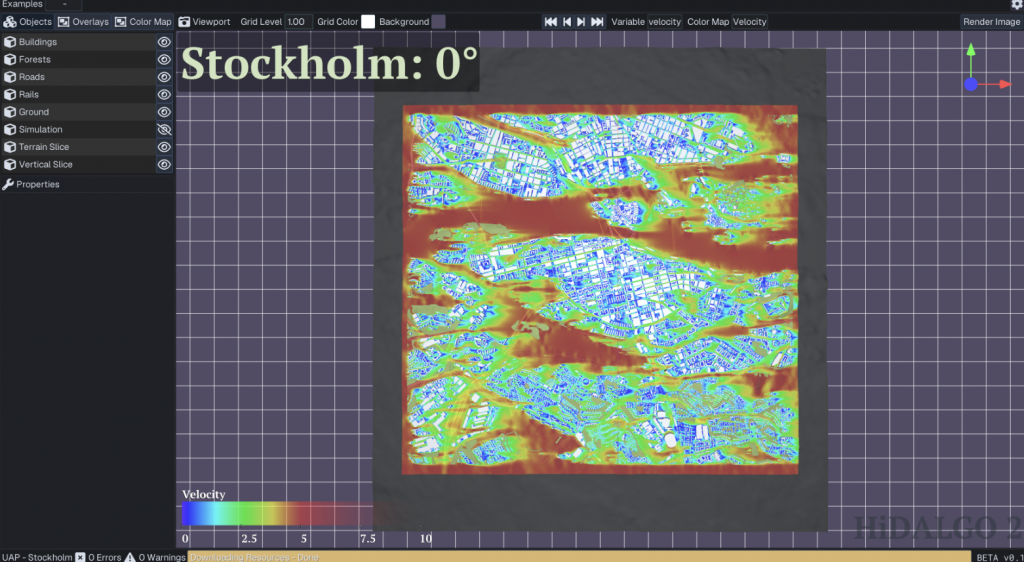
Fig.6: The platform interface
The Urban Air Quality Pilot is one of the five pilots through which HiDALGO2 is tackling global challenges. Stay updated on our progress:
LinkedIn: HiDALGO2 Project
X (Twitter): @HiDALGO2_EU
Website: hidalgo2.eu
Subscribe to the HiDALGO2 Newsletter and explore our last issues here.
About the Contributors
The team working on this pilot under the supervision of Zoltán Horváth includes László Környei, Mátyás Constans, József Bakosi and Áron Németh.
This article was designed and authored by Georgia Nikolakopoulou and Kyriaki Daskaloudi, members of the Future Needs team. Future Needs leads the Dissemination, Communication, and Exploitation efforts for HiDALGO2, ensuring that high-performance computing breakthroughs reach the global research community, industry and society.