Image
A new chapter for Europe’s High-Performance Computing ecosystem has begun.
On 16 April 2026, representatives from the 36 National Competence Centres (NCCs) came together online for a virtual kick-off of the third phase of EuroCC and CASTIEL. The meeting marked the start of a new phase focused on strengthening Europe’s capabilities in High-Performance Computing (HPC).
Bringing together such a broad network highlights one of the key strengths of the EuroCC and CASTIEL initiatives: connecting national expertise and local ecosystems through European collaboration.
Building on an established European network
EuroCC has spent the previous project phases building a distributed network of National Competence Centres. These centres act as national points of contact for HPC expertise, services and training, supporting users from science, industry, public administration and society.
With EuroCC 3, the focus is on further consolidating and continuously improving this network while broadening the uptake of HPC across Europe.
The project will also establish three new National Competence Centres, extending the network’s geographical coverage and helping to increase HPC capacity in new regions.
A particular focus will be on supporting SMEs and industry through tailored consulting, skills development and assistance in accessing national and European computing resources.
CASTIEL 3: Connecting the European HPC community
While EuroCC 3 focuses on strengthening the network of National Competence Centres, CASTIEL 3 provides coordination and support at European level.
The project aims to foster collaboration between NCCs and to connect the network with other relevant European initiatives. By sharing knowledge, expertise and best practices, CASTIEL 3 helps creating synergies across Europe and supports a more coordinated approach to developing HPC capabilities.
This includes collaboration in areas such as training and certification, engagement with industry and the Centres of Excellence, and cooperation with other European initiatives in HPC and AI.
The HPC in Europe Portal and HPC Service Hub will also contribute to making expertise, training, services and opportunities more visible and accessible to users across Europe.
From skills to innovation and competitiveness
A key objective shared by the projects is to ensure that Europe’s investment in advanced computing translates into skills, innovation and real-world impact.
EuroCC 3 contributes to the EuroHPC Joint Undertaking’s Widening Usage and Skills pillar by strengthening digital skills and supporting innovation. This contribution is particularly important as HPC increasingly converges with AI and data-intensive technologies. Access to powerful computing resources is only one part of the equation. Users also need the expertise to identify suitable use cases, develop applications and make effective use of advanced computing technologies. The NCC network helps bridge this gap - providing support ranging from initial consultations and training to access to computing resources and specialised expertise.
One European network, many local strengths
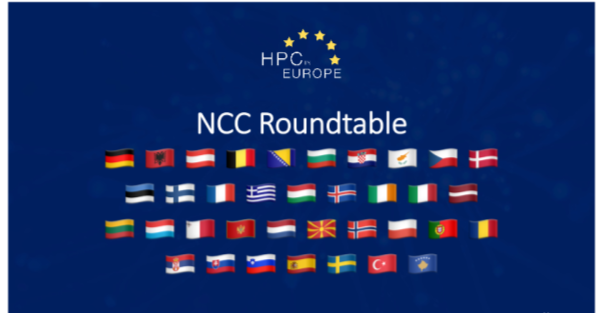
With 36 countries represented, the scale of the network is significant. But its strength lies not only in its size. Each NCC brings knowledge of its national research, business and innovation ecosystem, while the European network creates opportunities to exchange experience, share solutions and work together on common challenges.
CASTIEL 3 helps to connect these national efforts, while EuroCC 3 strengthens the capacity of the NCCs to support users locally. Together, the projects provide a strong foundation for a more connected and capable European HPC ecosystem.
Looking ahead
The technology landscape is evolving rapidly. HPC is becoming increasingly important for AI, scientific discovery, engineering, industrial innovation and many other fields - while the demand for skills, expertise and accessible support continues to grow.
The new phase of EuroCC and CASTIEL is designed to meet these challenges by strengthening the NCC network, expanding access to expertise and training, fostering collaboration, and helping more users to benefit from HPC.
The kick-off marked the beginning of this next chapter: 36 countries. One European network. A shared ambition to make advanced computing accessible and impactful.
Now the work begins - together, across Europe!